How to Make Private Label Products in China: Step-by-Step OEM Guide
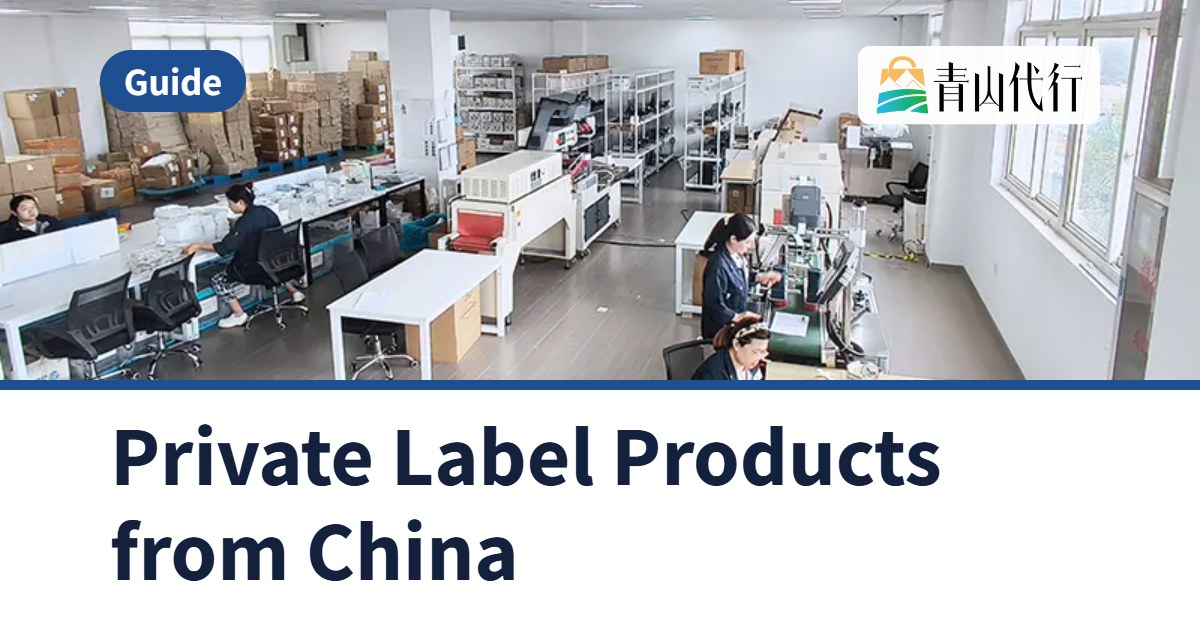
To make private label products in China, you choose an existing product from a factory, add your own brand (logo, packaging and labels), approve a sample, and then order production. This is often called OEM. You do not need to design a product from scratch, and some factories on 1688 accept small orders for logo printing or custom packaging. This guide walks through the steps, what to prepare, and how to avoid common problems.
- Private label (OEM) means putting your brand on a product a factory already makes. ODM means the factory also helps design the product.
- The main steps are: find a factory, get a quote, approve a sample, write a purchase order, produce, inspect, and ship.
- Register your brand as a trademark in the countries where you sell. Trademark protection is obtained country by country, or through WIPO's Madrid System.
Private label, OEM and ODM: what is the difference?
| Type | What you get | Good for |
|---|---|---|
| Private label / OEM | A product the factory already makes, with your logo, packaging or small changes | Starting your own brand quickly with a small order |
| ODM | The factory designs and makes a product to your idea | New products that do not exist yet |
For most new brands, OEM is the easier start. The product is already proven, and you mainly decide the branding and the packaging.
Step-by-step: making private label products in China
- Choose the product. Pick a product with steady demand in your market, and check the rules for selling it in your country (safety marks, labels, materials).
- Find factories. Search 1688 or Alibaba.com for makers of the product. Look for stores that offer logo printing or custom packaging.
- Ask for quotes. Send the same request to several factories: quantity, logo method, packaging, and target delivery date.
- Order a sample. Check quality, size, color and the logo. Keep the approved sample as your standard.
- Prepare artwork. Send logo and packaging files in vector format (for example AI or PDF), with colors and sizes.
- Write a purchase order. Include specs, quantity, price, packing, delivery date, trade terms, payment terms and inspection rules.
- Produce and inspect. Inspect the goods before the final payment and before export.
- Ship. Choose air or sea freight, and prepare an accurate invoice for customs.
Common ways to add your brand
| Method | Typical use |
|---|---|
| Printing (screen, pad or UV printing) | Logos on plastic, metal or fabric surfaces |
| Laser engraving | Logos on metal, wood or leather |
| Woven or printed labels | Clothing, bags and textile products |
| Custom packaging | Printed boxes, bags and inserts with your brand |
| Stickers and labels | Quick branding on existing packaging |
Each method has a different minimum order and setup cost. Ask the factory to quote each one separately so you can compare.
Protect your brand
A trademark protects your brand name and logo, but only where it is registered. According to WIPO, you can file with the trademark office of each country where you want protection, or use WIPO's Madrid System to apply for several countries with one application. File before you start selling, and before you share your logo widely with factories.
State in your purchase order or contract that your logo, artwork and any custom molds belong to you, and that the factory must not sell products with your brand to anyone else. Never ask a factory to copy another company's brand or design.
Common problems and how to avoid them
- Color or logo differs from the sample: give color codes and approve a pre-production sample.
- Packaging too large: agree on the box size and units per carton early; it changes shipping costs.
- Missing labels required in your country: add required markings to the artwork before printing.
- Quality drops in mass production: set inspection terms (for example AQL levels) in the order and inspect before shipping.
Private label with Aoyama Sourcing
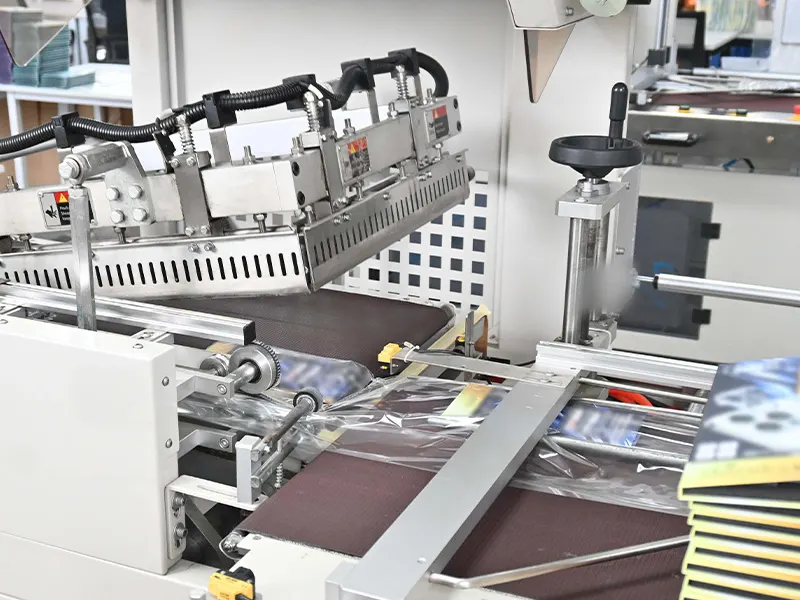
Our OEM / ODM service covers factory search, samples, mass production, logo printing and custom packaging for your own brand. Our staff in Qingdao handle all communication in Chinese. At our own warehouse (about 1,000 m², with two shrink-wrap machines and an automatic labeling machine), we can inspect, shrink-wrap and label goods, and ship them by air or sea. We do not buy counterfeit or unauthorized branded goods.
Our service fee is 5% of the product price plus China domestic shipping (minimum ¥3,000 per order; 4% for orders of ¥500,000 or more, 3% for ¥1,000,000 or more). Customers outside Japan pay a 4% international transaction fee. Quotes are free, and asking for a quote does not create an order. See pricing or contact us.
Related guides: 1688 vs Taobao vs Alibaba, AQL inspection for products from China and Consolidated shipping from China.
Frequently asked questions
What is a private label product from China?
It is a product a Chinese factory already makes, sold under your own brand with your logo, packaging or labels. This is also called OEM.
Do I need to register a trademark?
It is strongly recommended. Trademark protection applies only where the mark is registered. You can register with each country's office or use WIPO's Madrid System.
What files do factories need for my logo?
Vector files such as AI or PDF, with the colors, sizes and the position of the logo on the product and packaging.
Summary
- Private label (OEM) is the quickest way to start your own brand with products from China.
- Approve a sample, write a clear purchase order, and inspect before shipping.
- Register your trademark where you sell, and state that your logo and artwork belong to you.
Sources: WIPO, Trademarks / WIPO, Madrid System
Aoyama Sourcing is a Japan proxy buying and China sourcing agent. Send us product links. We check the seller, buy, inspect and ship to your country. Quotes are free and do not create an order.
Get a free quoteMore guides
 Anime Figures Wholesale from Japan: A Guide for Overseas ShopsOverseas shops can buy anime figures wholesale from Japan via official distribution, a Japanese wholesaler or a buying agent. How to avoid fakes, plan…
 Proforma Invoice From a China Supplier: What to Check Before PayingA proforma invoice from a China supplier is a quote in invoice format. Check the seller and bank account name, spec, price, Incoterms, payment…
 LMPC Certificate for Import: India’s Rule 27 and Label RulesAn LMPC certificate for import is the Rule 27 registration an Indian importer of pre-packaged goods must hold. See who needs it, the Rule…
 Japanese Tableware Wholesale: Where to Buy and What to CheckOverseas businesses can buy Japanese tableware wholesale from makers, wholesalers, B2B catalogues and trade fairs. Check minimum lots, packing and food-contact rules first.


