How to Pay Chinese Suppliers from Kenya: Banks, Alibaba and Safety
To pay Chinese suppliers from Kenya, most businesses use an international bank transfer from a Kenyan bank, an online payment on Alibaba.com with Trade Assurance, or a sourcing agent who pays the seller in China for you. Kenya repealed its Exchange Control Act in 1995, so banks make these payments, but they keep import documents, so ask for a clear proforma invoice before you pay. Most losses come from paying the wrong account, so check that the account name matches the supplier's company.
- The Central Bank of Kenya (CBK) says the Exchange Control Act was repealed effective 27 December 1995. Banks now handle foreign exchange business under CBK guidelines.
- CBK guidelines ask banks to obtain and keep documents for transactions above the equivalent of US$10,000. For imports, these include the Import Declaration Form (IDF), the transport document and the original commercial invoice.
- On Alibaba.com, Trade Assurance protects an order only when you pay online through Alibaba.com. Never pay a supplier's personal account, and confirm any change of bank details by phone or video call.
Your payment options at a glance
| Option | How it works | Things to check |
|---|---|---|
| Bank telegraphic transfer (T/T) | Your Kenyan bank sends money to the supplier's bank account in China. | Account name, bank details, currency, your bank's charges and exchange rate |
| Alibaba.com online payment | You pay through Alibaba.com for a Trade Assurance order. | The supplier shows the Trade Assurance symbol, and the order details are complete |
| Card | You pay by credit or debit card, for example on Alibaba.com or through a payment link. | Your card limit and your bank's charges for foreign payments |
| Through a sourcing agent | You pay the agent, and the agent pays the seller in China, for example by Alipay or WeChat Pay. | The agent's fees, what the agent checks, and a written quote |
What Kenyan rules say about paying abroad
The CBK Guidelines on Foreign Exchange are published on the CBK website. They say that managing foreign exchange business was delegated to authorised dealers after the Exchange Control Act was repealed effective 27 December 1995. Authorised banks are free to make payments between Kenya residents and non-residents.
- Kenya residents may invoice in Kenya shillings or foreign currency, hold foreign currency, and buy foreign currency from authorised dealers.
- Buying and selling foreign currency is prohibited unless one party is an authorised dealer licensed by the CBK. So use a bank or licensed forex bureau, not an informal dealer.
- Banks must apply "know your customer" rules and check that cross-border payments are not linked to illegal transactions.
Documents your bank keeps
The guidelines ask foreign exchange dealers to obtain and keep documents for transactions above the equivalent of US$10,000. For landed imports, the listed documents include:
- Import Declaration Form (IDF), unless there is proof of a government exemption
- Transport document, such as a bill of lading
- Original commercial invoice
- Customs entry form
For e-banking, banks may accept a signed declaration form instead. The customer then promises to show the documents on demand.
The CBK guidelines cover advance import payments. When a supplier asks for full or part payment in advance, banks may use their discretion to make the payment. The bank must get an undertaking from the importer to submit the documents right after shipment. The guidelines date from 2002 and some parts are out of date, so ask your bank what it needs today.
The IDF and customs
KRA lists the IDF, commercial invoice, bill of lading or airway bill, packing list and any permits as essential documents for an import declaration. Kenya's single window (NESWS), run by KenTrade, is where traders submit cargo clearance documents and pay fees. It links to KRA's iCMS customs system, and you can check IDF and UCR status there. Your clearing agent normally handles these steps. Our guide to importing from China to Kenya explains the full process.
Paying on Alibaba.com
Alibaba.com's Trade Assurance page says:
- Trade Assurance is free for buyers. Alibaba.com may charge transaction fees on some payment methods.
- Payment methods for Trade Assurance orders include credit card, T/T (bank transfer), PayPal, online transfer, Western Union, PayLater and Boleto.
- Protection applies if product quality or the ship date differs from the online order. It is only enforced when you pay online through Alibaba.com.
- You can request a refund within 30 days of delivery. Your online order and messages are the basis for the decision.
Alibaba.com also says Trade Assurance does not apply to off-platform transactions. For wire transfers, it tells buyers to pay only to the official Alibaba.com bank account. Available methods can depend on your country, so check at checkout.
Paying a sourcing agent
Sellers on domestic Chinese platforms such as 1688 and Taobao normally price in yuan (CNY). An agent in China can pay them by Alipay or WeChat Pay, collect the goods and ship them to you. You pay the agent by bank transfer or card. Ask for a written quote that shows the product cost, the agent's fee and other charges. See China sourcing agent fees to compare how fees work.
Payment safety checks
- Get a proforma invoice with the supplier's full company name, address, product details, quantities, unit prices, total, currency and trade terms.
- Check that the supplier is a real registered company. Our guide on how to verify a Chinese supplier shows how.
- Confirm that the bank account name matches the company name on the invoice. Do not pay a personal account when you buy from a company.
- Agree deposit and balance terms in writing. Where you can, tie the balance to an inspection before shipment.
- Keep every invoice, contract and message. Your bank may ask for them.
An email that gives new bank details is a common sign of fraud. The supplier's email may have been hacked, or the message may come from a look-alike address. Stop the payment. Call or video call the supplier using contact details you already have, not the ones in the new email. Alibaba.com lists a request to pay a different private or personal bank account as a warning sign.
Currency basics: USD or CNY
- Suppliers selling for export may quote in US dollars (USD), while domestic sellers usually price in yuan (CNY). Agree the currency on the proforma invoice before you pay.
- Your bank converts Kenya shillings at its own rate. The CBK publishes indicative rates daily, based on the average buying and selling rates of major market participants. Use them as a guide, not as your bank's rate.
- Ask your bank about its transfer charges and any intermediary bank charges, so the supplier receives the full invoice amount.
This guide is general information, not financial or legal advice. For other countries, see how to pay Chinese suppliers from Nigeria and from India.
How Aoyama Sourcing can help
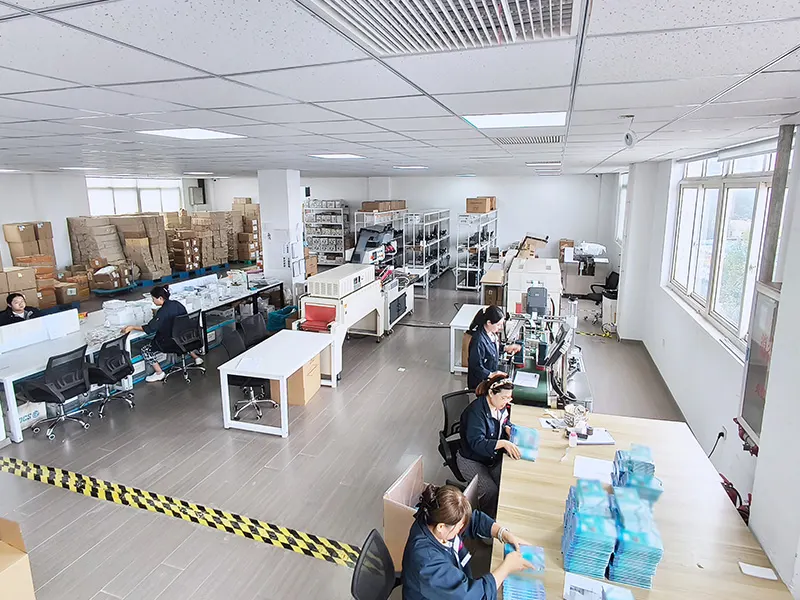
Aoyama Sourcing is a sourcing agent with its own warehouse of about 1,000 m² in Qingdao, China. We have operated since September 2016. We pay Chinese sellers for you, so you make one payment to us.
- Service fee for China products: 5% of the product price plus China domestic shipping, with a minimum of ¥3,000 per order. The rate is 4% for orders of ¥500,000 or more, and 3% for ¥1,000,000 or more.
- Customers outside Japan pay a 4% international transaction fee, whatever the payment method.
- Payment options: international bank transfer, or card (Visa, Mastercard and AMEX through a payment link).
- No membership or monthly fee. Quotes are free, and a quote does not create an order.
- We ship to Africa, including Kenya. Your quote shows the shipping method, days and cost.
- Support in English, Chinese and Japanese. We do not buy counterfeit or unauthorised products.
See our pricing, add items to a quote request, or contact us.
Frequently asked questions
Do I need Central Bank of Kenya approval to pay a supplier in China?
The CBK says the Exchange Control Act was repealed effective 27 December 1995, and authorised banks are free to make payments between Kenya residents and non-residents. Your bank will still ask for documents, and must keep them for transactions above the equivalent of US$10,000.
Can I pay a deposit before the goods are shipped?
Yes, at your bank's discretion. The CBK guidelines let banks make advance import payments if the importer undertakes to submit the documents right after shipment.
Is my payment protected if I pay an Alibaba.com supplier directly?
No. Alibaba.com says Trade Assurance is only enforced when you pay online through Alibaba.com, and it does not apply to off-platform transactions.
Summary
- Pay through a bank, Alibaba.com or a sourcing agent, and use an authorised dealer for currency exchange.
- Get a clear proforma invoice and expect your bank to ask for the IDF, transport document and commercial invoice.
- Pay only company accounts that match the supplier's name, and confirm any change of bank details through a known contact.
Sources: Central Bank of Kenya – Guidelines on Foreign Exchange, Central Bank of Kenya – Foreign Exchange Rates, KRA – Import and Export Processes, KenTrade – NESWS FAQs, Alibaba.com – Trade Assurance protects your orders, Alibaba.com – Stay on platform, stay protected
Aoyama Sourcing is a Japan proxy buying and China sourcing agent. Send us product links. We check the seller, buy, inspect and ship to your country. Quotes are free and do not create an order.
Get a free quoteMore guides
 Anime Figures Wholesale from Japan: A Guide for Overseas ShopsOverseas shops can buy anime figures wholesale from Japan via official distribution, a Japanese wholesaler or a buying agent. How to avoid fakes, plan…
 Proforma Invoice From a China Supplier: What to Check Before PayingA proforma invoice from a China supplier is a quote in invoice format. Check the seller and bank account name, spec, price, Incoterms, payment…
 LMPC Certificate for Import: India’s Rule 27 and Label RulesAn LMPC certificate for import is the Rule 27 registration an Indian importer of pre-packaged goods must hold. See who needs it, the Rule…
 Japanese Tableware Wholesale: Where to Buy and What to CheckOverseas businesses can buy Japanese tableware wholesale from makers, wholesalers, B2B catalogues and trade fairs. Check minimum lots, packing and food-contact rules first.


