Importing from China to the EU: Customs Duty, VAT and the New €3 Rule (2026)
When you import goods from China into the European Union, you pay customs duty and import VAT. The duty rate depends on the product's tariff code, and VAT is charged at the rate of the EU country where the goods are imported. Since July 1, 2026, low-value e-commerce parcels sent to consumers no longer enter duty-free: a temporary customs duty of €3 per item applies instead. This guide explains what changed, how to find your duty rate, and what to prepare before you order from Chinese suppliers.
- Imports from China into the EU are subject to customs duty (by tariff code) and import VAT (by country). There has been no VAT exemption for low-value goods since July 2021.
- From July 1, 2026, B2C e-commerce consignments worth €150 or less pay a temporary customs duty of €3 per item. It is planned to apply until July 1, 2028.
- Businesses that lodge customs declarations in the EU need an EORI number. You can check duty rates for free with the EU's Access2Markets tool.
What taxes do you pay when importing from China to the EU?
Most shipments from China to the EU pay two charges at import: customs duty and import VAT. Some products also have extra charges, such as excise duty or anti-dumping duty, so always check your specific product.
| Charge | How it is set |
|---|---|
| Customs duty | A rate set in the EU common customs tariff for the product's tariff code (CN/TARIC code). It is the same in all EU countries. |
| Import VAT | The VAT rate of the EU country where the goods are imported. It is usually charged on the customs value plus duty. |
| Other measures | For some products: anti-dumping duty, excise duty, or import restrictions. |
Because the duty rate is set per tariff code, two similar products can pay different rates. Getting the right code is the first step in estimating your landed cost.
The end of the €150 duty exemption (from July 1, 2026)
Until June 30, 2026, goods in consignments worth €150 or less could enter the EU without customs duty. The EU removed this relief. From July 1, 2026, a temporary customs duty of €3 per item applies to low-value e-commerce consignments.
| Item | Rule |
|---|---|
| Start date | July 1, 2026 |
| Planned end date | July 1, 2028 (linked to the launch of the EU Customs Data Hub; it may be extended) |
| Scope | Consignments with an intrinsic value of €150 or less that are B2C distance sales of imported goods |
| Amount | €3 per item. An "item" means goods with the same tariff classification in a consignment. Because of current IT limits, the charge is applied per declaration line. |
| VAT scheme | Applies regardless of the VAT scheme used (IOSS, special arrangements or standard import VAT) |
| Legal basis | Council Regulation (EU) 2026/382 and Commission Implementing Regulation (EU) 2026/1200 |
For example, if a consumer orders five identical T-shirts in one parcel, that is one item, so the duty is €3. If the parcel has a T-shirt and a watch, that is two items, so the duty is €6.
The €3 rule is designed for parcels sold directly to consumers. If you import stock for your own business, your shipment is usually larger than €150 and pays the normal duty rate for each tariff code, plus import VAT. Ask your customs broker how your shipments will be declared.
How to find the duty rate for your product
The European Commission's Access2Markets portal has a free tool called My Trade Assistant. You choose the country you export from (China) and the EU country you import into, enter the product code, and the results show the duties that apply.
- Find the product's HS code. Ask the supplier, or classify it with your customs broker. The first six digits are the same worldwide.
- Look it up in Access2Markets. Enter "China" as the origin and your EU country as the destination.
- Check other measures. The results can also show anti-dumping duties and product rules that apply.
- Add VAT. Use the VAT rate of your import country.
Do you need an EORI number?
Yes, if you are a business that lodges customs declarations in the EU. According to the European Commission, every economic operator established in the EU customs territory needs an EORI number. You apply to the customs authority of the EU country where your business is established. A business outside the EU applies in the EU country where it plans to make its first customs operation.
Before you order from a Chinese supplier
- Check product rules. Many products sold in the EU need CE marking or must meet other EU safety rules. Check the rules for your product before you order.
- Get an accurate invoice. The invoice should show the real price, the product description and the quantity. Under-declaring the value can lead to back taxes and penalties.
- Agree on the trade term. Decide who pays for shipping and import costs, such as EXW, FOB or DDP.
- Combine orders. Buying from several sellers and shipping once can lower the shipping cost per unit.
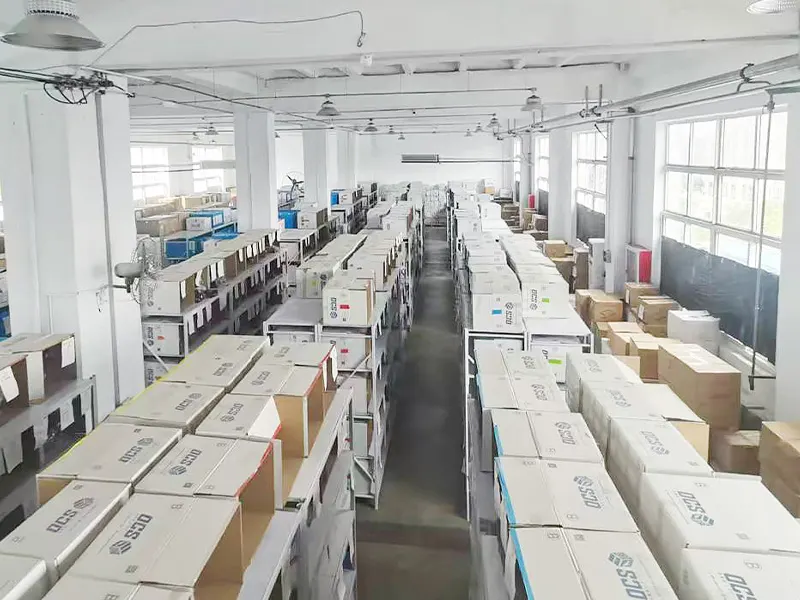
We buy from 1688, Taobao, Tmall and other Chinese sites, check your goods in our own warehouse in Qingdao (about 1,000 m², established in September 2016), and ship them abroad. We prepare invoices with the actual prices and never under-declare values. Our service fee is 5% of the product price plus China domestic shipping (minimum ¥3,000 per order). Customers outside Japan pay a 4% international transaction fee. Shipping is quoted by destination, so please tell us your EU address when you ask for a quote. See pricing or contact us.
New to Chinese marketplaces? Read how to buy from 1688 from overseas and 1688 vs Taobao vs Alibaba.
Frequently asked questions
Is there still a €150 duty-free limit in the EU?
No. The duty relief for consignments worth €150 or less ended on June 30, 2026. From July 1, 2026, low-value B2C e-commerce consignments pay a temporary customs duty of €3 per item.
Does the €3 duty replace VAT?
No. The €3 is customs duty. Import VAT still applies to all goods imported into the EU, whatever their value.
How do I find the customs duty for a product from China?
Use My Trade Assistant on the European Commission's Access2Markets portal. Enter China as the origin, your EU country as the destination, and the product code.
Summary
- Imports from China to the EU pay customs duty by tariff code and import VAT by country.
- Since July 1, 2026, low-value B2C parcels pay €3 per item in customs duty instead of entering duty-free.
- Check your duty in Access2Markets, get an EORI number if you declare goods, and use accurate invoices.
Sources: European Commission, Access2Markets: EU applies €3 customs duty per item on low-value e-commerce consignments / European Commission, Access2Markets FAQ: How can I find the import duty for my product? / European Commission, EORI number / Avalara, EU €150 customs duty exemption ended July 2026
Aoyama Sourcing is a Japan proxy buying and China sourcing agent. Send us product links. We check the seller, buy, inspect and ship to your country. Quotes are free and do not create an order.
Get a free quoteMore guides
 How to Buy Japanese Products Wholesale: Channels, Rules and ShippingTo buy Japanese products wholesale, overseas businesses use Japanese B2B wholesale sites, makers and distributors, trade shows or JETRO. Learn export rules, import rules…
 How to Order Samples from China: Costs, Customs and Golden SamplesTo order samples from China, verify suppliers, send a written sample request, agree who pays sample and courier costs, test the samples and keep…
 China OEM Manufacturer: How to Find, Check and Work With OneTo work with a China OEM manufacturer, find and verify factories, approve a sample, sign a clear contract, register your trademark and inspect before…
 How to Pay Chinese Suppliers from Zimbabwe: Options and RBZ RulesTo pay Chinese suppliers from Zimbabwe, use a bank T/T through an Authorised Dealer, Alibaba.com Trade Assurance or a sourcing agent in China. Learn…


